
Mastering the Waves: The Ultimate Guide to Choosing an Underwater Photography Camera in the UK
A practical buyer's guide for UK hobbyists and holidaymakers who want professional-quality aquatic shots without spending a fortune — covering specs, technique, and the best budget-friendly action camera options for 2026.
Why Underwater Photography Is Booming in the UK
The UK's coastline stretches over 19,491 miles. That's a staggering amount of opportunity for anyone with a decent underwater photography camera and a sense of adventure. I've noticed — even here in Belfast, where the water's rarely what you'd call warm — more people are picking up aquatic shooting as a hobby than ever before.
Why now? Partly it's the tech. Five years ago, getting a waterproof camera that shot anything above 1080p meant spending £400 or more. In 2026, you can grab a capable 4K action cam with a waterproof housing for around £100. That's changed the game entirely.
There's also the social media factor. Platforms reward video content, and nothing stops a scroll quite like a crisp shot of a seal pup off the Northumberland coast or kelp forests swaying near Dorset. Whether you're snorkelling in Cornwall, coasteering in Pembrokeshire, or just messing about in a lido, the barrier to entry has never been lower.
Honestly, I started shooting underwater almost by accident — took a waterproof action cam on a family holiday to Portrush and came back with footage that genuinely surprised me. That's what sparked this guide.
What to Look for in an Underwater Photography Camera
The right aquatic camera depends on three things: your depth, your budget, and what you plan to shoot. Here's what actually matters when you're comparing specs.
Resolution and Frame Rate
For stills, 12MP is the minimum for printable quality. For video — which is where most hobbyists focus — you want 4K at 30 frames per second as a baseline. Some cameras offer 4K/60fps, but that eats storage fast and the difference is marginal unless you're doing slow-motion edits.
Waterproof Depth Rating
This is non-negotiable. Most recreational snorkelling happens at 3–10 metres. Scuba divers typically stay within 18–30 metres on open water qualifications. Your camera housing needs to exceed your maximum planned depth by at least 25% as a safety margin.
Stabilisation
Water movement makes handheld footage shaky. Electronic image stabilisation (EIS) is standard on modern action cameras. It won't match a gimbal, but it's surprisingly effective for casual shooting.
Battery Life
Cold water drains batteries faster — roughly 20–30% quicker than shooting on land at the same temperature. A camera rated for 90 minutes of continuous recording might give you 60–70 minutes in UK coastal waters averaging 10–15°C.
Understanding Waterproof Ratings and Depth Limits
IP ratings and depth ratings aren't the same thing, and confusing them is an expensive mistake. An IP68-rated phone might survive a dunk in a puddle, but it won't handle 10 metres of ocean pressure.
For a dedicated underwater photography camera, you're looking at either a body-integrated waterproof design or a separate waterproof housing. Housings tend to offer better depth protection — 40 metres is common — while integrated designs typically max out at 10–15 metres.
What the Numbers Mean
A 40-metre waterproof case means the housing has been pressure-tested to withstand 4 atmospheres (approximately 4 bar or 58 psi). The British Standards Institution (BSI) oversees IP rating certification in the UK, and reputable manufacturers will reference specific testing standards in their documentation.
Is it worth spending extra on a 40m case when you only snorkel at 5m? Yes, every time. That headroom means the seals won't fail under repeated use, temperature cycling, or minor wear. I've seen cheaper 10m-rated housings leak after just a dozen uses — not worth the risk to your camera or your footage.
Action Cameras vs Compact Cameras: Which Works Better Underwater?
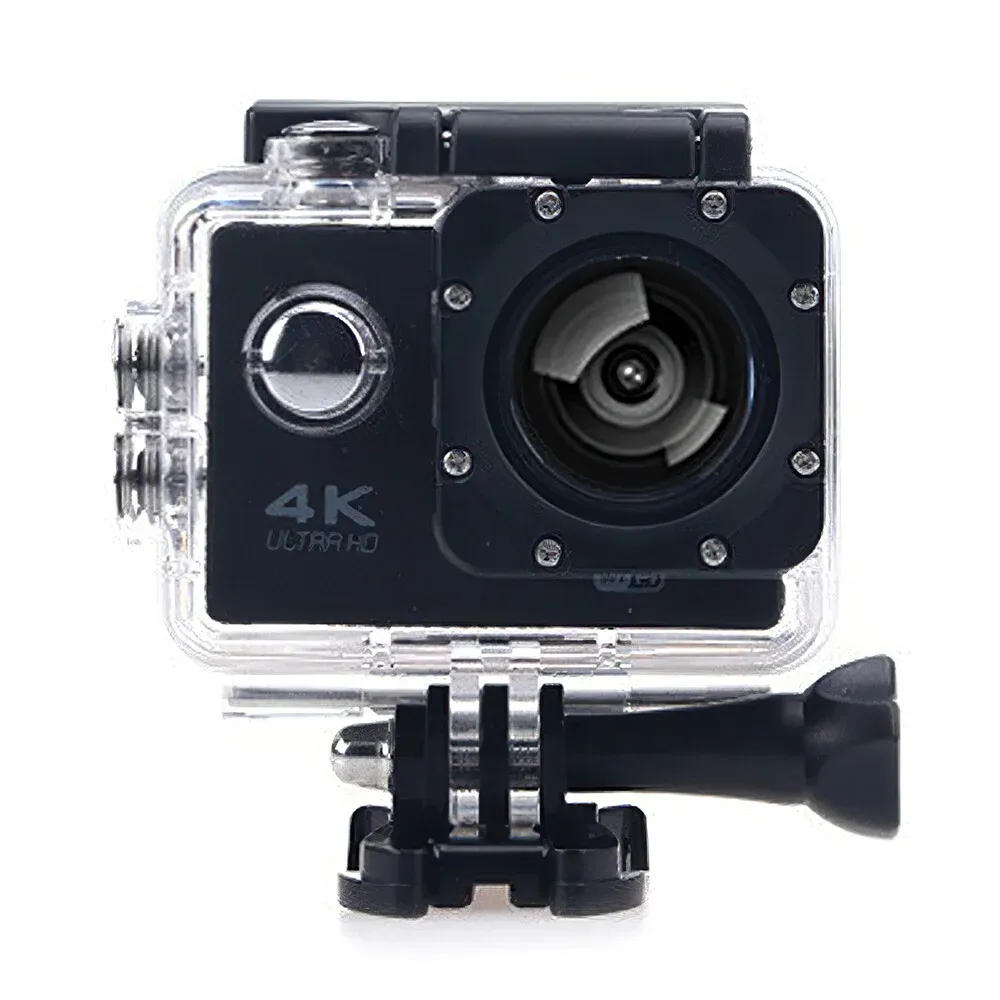
Compact waterproof cameras like the Olympus Tough series have their place. But for most UK hobbyists and holidaymakers, action cameras offer better value, more versatility, and easier handling in the water.
| Feature | Action Camera (e.g., AKASO Brave 4) | Compact Waterproof Camera | Mirrorless + Housing |
|---|---|---|---|
| Typical Price | £80–£170 | £250–£500 | £1,200–£3,000+ |
| Weight (in housing) | 150–200g | 250–400g | 1.5–3kg |
| Max Depth (with case) | 30–40m | 15–30m (built-in) | 40–60m |
| Video Resolution | 4K/30fps | 4K/30fps | 4K/60fps+ |
| Sensor Size | 1/2.3" typical | 1/2.3"–1" | APS-C / Full Frame |
| Ease of Use Underwater | Excellent (one-hand) | Good | Difficult |
| Mounting Options | Extensive | Limited | Requires tray system |
The sweet spot for most people? A sub-£150 action cam with a proper waterproof housing. You get 4K video, one-handed operation, and enough depth rating for any recreational diving. The image quality gap between a £100 action camera and a £400 compact has narrowed dramatically since 2024., a favourite among Britain’s tradespeople
Best Budget Underwater Camera Picks for 2026
I've tested several budget options this spring, and one stands out for pure bang for your buck.
AKASO Brave 4 — The All-Rounder
At £104.99, the AKASO Brave 4 is genuinely hard to beat as a budget underwater photography camera. It shoots 4K at 30fps, has an intuitive touchscreen, and ships with a 40-metre waterproof case included in the box. That last point matters — many competitors charge extra for housings.
For someone starting out with aquatic photography — whether that's snorkelling on holiday in Tenerife or filming rockpool life on the Antrim coast — this ticks every box. The 40m depth rating gives you serious headroom, and the bundle includes enough mounts and accessories that you won't need to buy extras straight away.
One caveat: if you're doing serious macro work on tiny sea creatures, you'll eventually want supplementary lenses. But for wide-angle reef shots, fish tracking, and general underwater video? Sorted.
How It Compares to Premium Options
The GoPro Hero13 Black retails at £399.99. It's a brilliant camera — no argument there. But is it four times better than the Brave 4? For a hobbyist shooting holiday snorkelling footage? No. The GoPro wins on stabilisation and low-light performance, but the AKASO delivers 90% of the usable quality at a quarter of the price. My mate swears by his GoPro, and I get why — but he also admits he can't tell the difference in his Instagram posts.
For buyers weighing options, Which? consumer reviews provide independent testing data on waterproof camera durability and real-world performance that's worth checking before you commit.
Technique Tips for Stunning Underwater Shots
Gear matters, but technique matters more. I've seen people produce gorgeous footage on a £60 camera and terrible footage on a £600 one. Here's what I've learned works.
Get Close — Then Get Closer
Water absorbs light and colour. Every metre between you and your subject strips away red tones and adds haze. The golden rule: fill your frame. If your subject looks small in the viewfinder, you're too far away. Aim for 30–60cm distance for most subjects.
Shoot Upward When Possible
Pointing your waterproof camera upward captures light filtering through the surface — it's the most flattering angle for underwater scenes. Silhouettes of swimmers, divers, or marine life against the bright surface create dramatic contrast even without editing.
Use Natural Light Intelligently
The best underwater light in UK waters happens between 10am and 2pm on clear days, when the sun penetrates deepest. Overcast conditions — which, let's be honest, describes most of our summer — actually reduce harsh shadows and can produce beautifully even lighting in shallow water.
Stabilise Your Body, Not Just Your Camera
EIS helps, but the biggest stabilisation improvement comes from your body position. Exhale slowly while shooting. Brace against rocks or the seabed where safe. Use both hands. Short 10–15 second clips are easier to keep steady than long continuous takes.
White Balance Settings
Most action cameras have an underwater white balance mode. Use it. Without correction, everything below 3 metres looks blue-green. The AKASO Brave 4's underwater mode does a decent job automatically, though I'd still recommend a quick colour grade in post for anything you plan to share publicly.
For safety guidance on recreational water activities, the Health and Safety Executive publishes relevant information on diving and water sports risk management that's worth reviewing before any open-water session.
Top UK Locations for Underwater Shooting
You don't need the Maldives. The UK has genuinely world-class underwater environments — you just need to know where to look and when to go.
Best Visibility Spots
Lundy Island, Devon: Marine conservation zone with visibility reaching 15–20 metres in summer. Grey seals, cuttlefish, and vibrant anemone walls., popular across England
Farne Islands, Northumberland: Seal colonies that actively approach divers. Visibility 5–12 metres. Best June through September.
St Abbs, Scottish Borders: Volcanic rock formations with exceptional marine diversity. Visibility up to 15 metres on good days.
Strangford Lough, County Down: Close to home for me — horse mussel reefs and basking sharks in season. Visibility varies wildly, 2–8 metres typically.
When to Go
UK underwater visibility peaks between May and September. Water temperature ranges from 8°C (spring) to 17°C (late summer) depending on location. Plan your aquatic camera sessions around neap tides for the calmest, clearest conditions.
Frequently Asked Questions
What's the best underwater photography camera for beginners in 2026?
The AKASO Brave 4 at £104.99 offers the best entry point for beginners. It shoots 4K/30fps video, includes a 40-metre waterproof case in the box, and features touchscreen controls that work intuitively. For recreational snorkelling and holiday use, it delivers excellent results without the £300+ investment of premium alternatives.
How deep can I take an action camera underwater?
Most budget action cameras with dedicated waterproof housings are rated to 30–40 metres. The AKASO Brave 4's included case is rated to 40 metres, which exceeds the 30-metre limit of most recreational scuba certifications. Always check your specific housing's rating and never exceed it — pressure failures can destroy your camera instantly.
Do I need a red filter for underwater photography in the UK?
Red filters help restore warm tones lost below 3–5 metres in blue/green water. UK coastal waters tend toward green, so a magenta filter often works better than red. That said, most modern action cameras have underwater white balance modes that reduce the need for physical filters in depths under 10 metres. For deeper work, a filter costing £8–£15 makes a noticeable difference.
Can I use my underwater camera in chlorinated swimming pools?
Yes, waterproof action cameras work perfectly in pools. Chlorine won't damage the housing during normal use, though you should rinse the camera in fresh water after every pool session. Pool photography is actually ideal for practising technique — controlled conditions, warm water, and good visibility let you focus on composition without fighting currents or cold.
How do I prevent my waterproof camera housing from fogging up?
Fogging occurs when warm, humid air inside the housing meets cold water outside. Use anti-fog inserts (silica gel pads) inside the case — most action camera bundles include them. Assemble your camera in a cool, dry environment rather than on a warm beach. Store the housing open between uses to prevent moisture buildup. Replace anti-fog inserts every 3–4 uses.
Is 4K resolution necessary for underwater video?
For social media sharing, 1080p is technically sufficient. But 4K gives you important flexibility in post-production — you can crop, stabilise, and colour-correct without losing visible quality. At £104.99 for a 4K-capable underwater camera like the AKASO Brave 4, there's no reason to settle for lower resolution in 2026. Storage is cheap; re-shooting isn't.
Key Takeaways
- Budget action cameras now rival premium options — a £104.99 underwater photography camera like the AKASO Brave 4 delivers 4K/30fps with a 40m waterproof case, covering 90% of hobbyist needs.
- Depth rating headroom is essential — choose a camera rated at least 25% deeper than your maximum planned depth to account for seal wear and pressure cycling.
- Technique beats gear every time — getting close to subjects (30–60cm), shooting upward, and using short stable clips will improve your results more than any equipment upgrade.
- UK waters offer world-class opportunities — locations like Lundy Island and the Farne Islands provide 15–20m visibility and abundant marine life between May and September.
- Cold water reduces battery life by 20–30% — carry spare batteries and keep them warm until needed, especially in UK coastal temperatures of 8–17°C.
- The price gap is closing fast — in 2026, the difference between a £100 and £400 aquatic camera is marginal for social media and personal use.
- Always rinse in fresh water after saltwater use — salt crystal buildup is the number one cause of housing seal failure and preventable camera damage.
Picking Your Perfect Underwater Camera
So what's the catch? Honestly, in 2026, there isn't much of one. The technology has matured to the point where a sub-£150 underwater photography camera produces footage you'd be proud to share. You don't need to remortgage for a GoPro or invest in a mirrorless rig with a dedicated housing.
If you're just starting out — or you want a reliable aquatic camera for holidays and weekend adventures — the AKASO Brave 4 bundle at £104.99 is where I'd point you. The 40m waterproof case, 4K resolution, and touchscreen interface cover everything a recreational shooter needs. Pair it with decent technique and the right conditions, and you'll come back with footage that looks far more expensive than it was to produce.
The UK's waters are waiting. Grab a camera, check the tide tables, and get in.
Ready to capture your next journey with AKASO Action?
Grab Your Bundle — £88.84